You’ve known where you want it for a while. Maybe since you first saw it on someone else’s wrist, or when the meaning clicked and you thought: that’s mine. Now the question isn’t whether to get it — it’s where to put it.
That distinction matters more with a semicolon tattoo than with most designs. Because the placement isn’t just aesthetic. It’s part of what the tattoo does for you every day.
The short answer: The most common semicolon tattoo placements are the inner wrist, inner forearm, behind the ear, finger, and ankle. Each carries a slightly different relationship with visibility — and visibility is what this particular tattoo is really about. The placement question is ultimately: do you want this for yourself, or do you want it to be seen?
The Meaning Behind the Mark — and Why It Shapes Placement
The semicolon tattoo originated with Project Semicolon, a mental health advocacy movement founded in 2013. In grammar, a semicolon is used when an author could have ended the sentence but chose not to. Applied to a life, the meaning is clear: the sentence wasn’t finished. You chose to continue.
That context is why placement carries weight that most tattoos don’t. This isn’t a decorative piece. For many wearers, it marks something real — a survived crisis, a turning point, a year that nearly broke them. Research on tattoo motivations finds that 24% of people get tattoos to mark significant experiences or personal struggles — a share that reflects exactly the emotional territory the semicolon tattoo occupies.
The placement question follows directly: how visible do you want that marker to be, and to whom?
Inner Wrist: The Default for a Reason

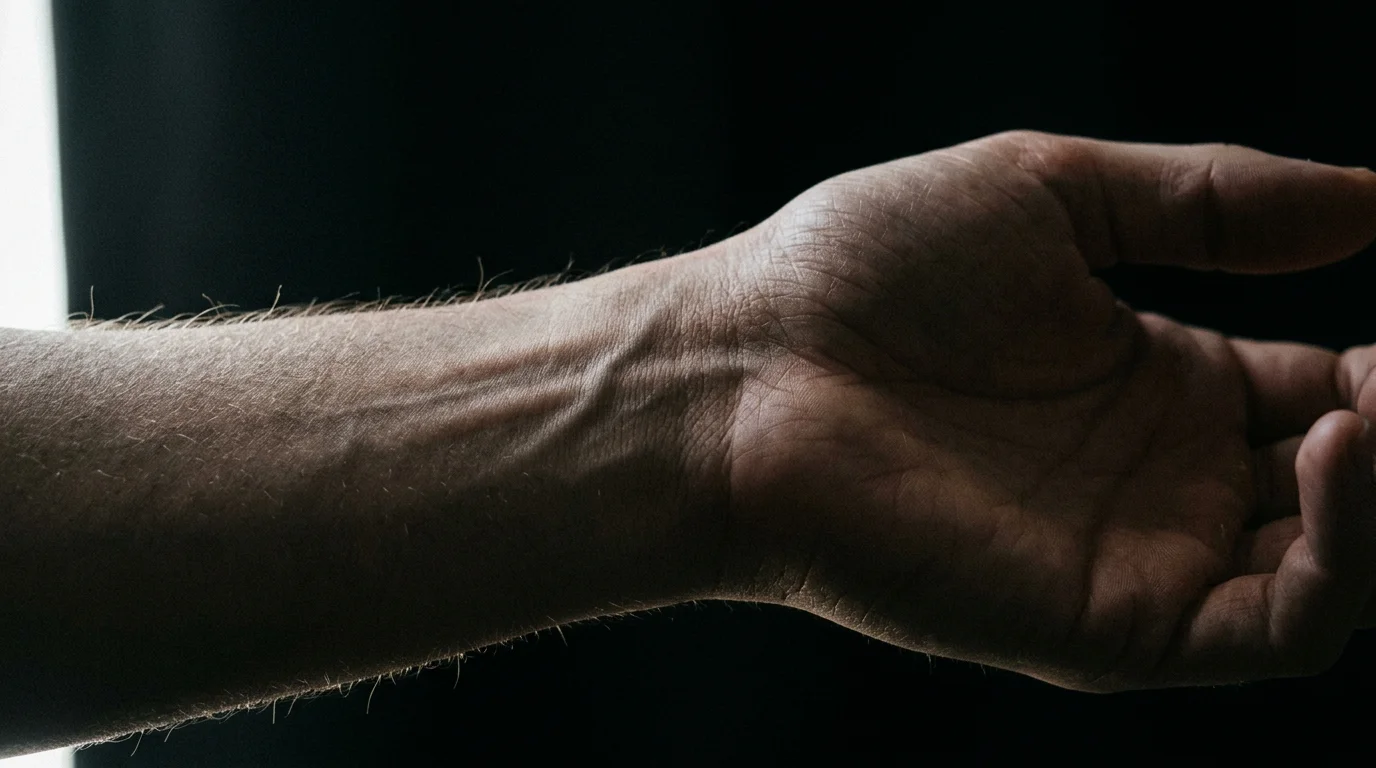
The inner wrist is where most semicolon tattoos live, and the reason is functional as much as aesthetic.
It’s visible during the moments that matter most. When you’re sitting at a desk, holding a coffee cup, looking down during a hard day — your inner wrist is in your line of sight. It becomes a quiet daily reminder without requiring any effort to see.
It’s also visible to others who look. Which makes it a statement that doesn’t announce itself loudly but doesn’t hide either. For survivors who want to be open about their experience without making it the first thing anyone sees, the inner wrist hits that balance.
The practical considerations: the inner wrist has thinner skin and more nerve presence than the outer forearm, making sessions there slightly more intense. It’s a small tattoo, though — sessions run short, which limits the experience significantly. The wrist placement guide covers this in detail, including how fine-line work holds over time at this location.
Concealment is easy. A watch, a bracelet, long sleeves — the wrist is one of the most naturally concealable visible spots on the body. For anyone navigating workplace contexts where a tattoo would prompt questions they’d rather not answer, this matters.
Behind the Ear: Private by Design
For people who want the meaning entirely for themselves, behind the ear is the most common alternative.
The logic is simple: it’s only visible when you specifically reveal it. A turned head, pulled-back hair, a quiet disclosure. The tattoo exists for you rather than as a signal to the world.
The trade-off is longevity. Behind the ear, skin is thin and gets continuous friction from hair, glasses, and movement. Small tattoos in this placement tend to need touch-ups more often than those on stable skin. The area is also more sensitive than the wrist — bony proximity and thin skin make sessions slightly uncomfortable despite how quick they are.
For a semicolon — a simple design — this placement works well when the primary intention is personal rather than communicative.
Inner Forearm: When You Want More Canvas
The inner forearm gives you more room to work with. If you’re combining the semicolon with additional elements — a butterfly, a date, a word, a small floral detail — the inner forearm provides space that the wrist or behind the ear doesn’t.
It’s also a stable placement. The skin on the inner forearm is relatively protected from sun exposure and friction, which means fine line work holds better here than on hands, wrists, or fingers over time. The forearm placement guide covers the inner vs. outer tradeoffs — for something emotionally loaded like this, the inner forearm’s visibility during private moments (without being as public-facing as the outer forearm) is often the right call.
Sessions on the inner forearm are moderate on the pain scale — manageable for most people, and easy to sit for a small design.
Finger: Visible and Intimate
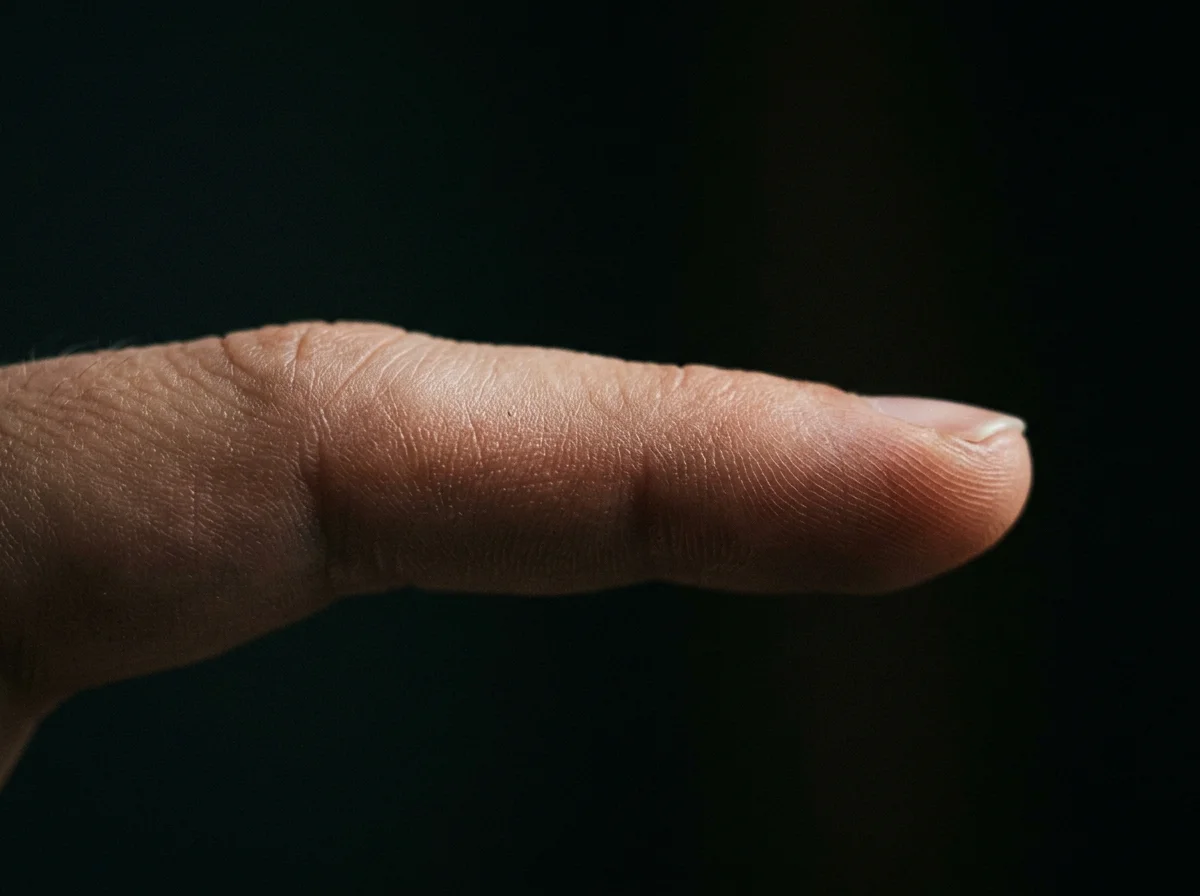
Some people choose the side of a finger — often the middle finger or ring finger — for maximum visual access to the symbol. You see it constantly. It’s in your peripheral vision all day.
The honest trade-off: finger tattoos fade faster than almost any other placement. As covered in the general tattoo placement guide, the hands and fingers undergo constant friction, washing, sun exposure, and skin cell turnover. A fine-line semicolon on a finger can begin to blur noticeably within a few years without touch-ups.
If you want the finger placement specifically for the daily visibility it provides, that’s a valid choice — go in knowing the maintenance commitment. Plan for at least one touch-up session within a few years.
Ankle: Low-Profile, Long-Term
The ankle is a quieter choice — visible in sandals, at the gym, at the beach, but covered by most shoes and socks otherwise. It carries a different register than the wrist. Less of a statement piece, more of a marker you return to on your own terms.
The ankle bone area adds some session sensitivity — thin skin over a bony prominence, similar to the wrist. The top of the foot or the inner ankle adds nerve density to that equation. For a small tattoo, the session is short, which makes it manageable.
Healing on the ankle takes more attention than an arm placement because of sock friction and the distance from the heart slowing circulation slightly. Keep it clean and out of tight shoe friction for the first couple of weeks.
The Visibility Question Is the Real Question
Most placement guides focus on pain level, healing time, and how the design will age. Those things matter.
But with a semicolon tattoo specifically, the more important question is this: who is this for?
If it’s primarily for you — a daily reminder you keep close — the inner wrist, inner forearm, or behind the ear all work. If it’s partly a signal to others who might recognize what it means, the wrist is the most legible choice. If you want it completely private, behind the ear or the ankle lets you carry it on your own terms.
Tattoos function as identity markers in ways that have real psychological weight — research on tattooing and psychology finds that getting a first tattoo can reduce appearance-related anxiety and increase self-esteem, particularly when the design is personally meaningful. With a semicolon tattoo, that mechanism is explicit: the design carries the meaning directly. Placement determines how often and in what context that meaning surfaces for you.
Psychologists studying body autonomy and tattoos note that the act of choosing what to mark on your body — and where — is itself part of what makes the tattoo meaningful. The placement decision isn’t procedural. It’s part of the intention.
Before You Book, See It on Your Body
The semicolon is a small, simple design. But placement still changes how it reads — how close to the surface it sits when you look down, how visible it is in a short sleeve, whether it lands exactly where you pictured it.
Before your session, use TattThat to position the design at your actual chosen placement — inner wrist, forearm, ankle, wherever you’re deciding between. Upload a photo, place the design at real scale, and see how it actually reads on your skin. For a tattoo this intentional, that confirmation step is worth 30 seconds.
See It on Your Skin Before You Commit
Upload a photo, pick a design, and see exactly how it'll look — in seconds. 2 free previews, no card required.
Try TattThat Free →