
It’s 11pm. You’ve had the reference image saved for three months. The appointment is booked, rescheduled once, and now you’re staring at your phone in the dark, doing something that feels less like excitement and more like arithmetic: Will I still love this in ten years? What about twenty?
The needle doesn’t scare you. What scares you is the morning you wake up a decade from now and don’t recognize it anymore.
That fear is worth taking seriously — but it’s also specific and predictable enough to actually work through. Tattoo regret most commonly traces back to four decisions: designs chosen because they were trending rather than personally meaningful, choices made impulsively during emotionally charged moments, partner name tattoos, and placement that was never properly tested before the appointment. If you can look at your own situation and honestly say none of those apply, the anxiety you’re feeling is almost certainly not a warning signal. It’s just the normal weight of a permanent decision.
The Regret Numbers Are More Reassuring Than They Sound
About 24% of tattooed Americans report regretting at least one tattoo, according to a 2023 Pew Research Center survey of 8,480 adults — a figure that has risen steadily from 14% in 2012 to 23% in 2015 as tattoos became more mainstream and more impulsively obtained. That sounds significant until you look at what those respondents are actually saying. The vast majority aren’t expressing regret about getting tattooed at all — they’re describing a specific tattoo, often a specific decision within that tattoo, that no longer fits who they are. The design. The timing. A name.
The most revealing split in the data is by age at first tattoo. People inked before age 21 carry a 38% regret rate. Those who waited until after 21 show just 7%. That’s not a small difference — it’s a five-fold gap, driven almost entirely by the quality of decision-making that comes with a few more years of knowing who you actually are.
Regret, in other words, is not randomly distributed. It clusters around specific decisions. Which means it’s largely avoidable if you understand what those decisions are.
Trend-Chasing Is the Most Reliable Path to Regret
Tribal armbands. Butterfly lower-back tattoos. Infinity symbols with words looped through them. Watercolor tattoos with no black outlines. Each of those waves produced genuine fans — people who loved the aesthetic, who still do, who wear them confidently today. But they also produced some of the highest regret volumes any tattoo era has seen. Not because the styles were bad, but because a lot of people chose them for the wrong reason: they were of the moment.
The test is not whether a style is popular. The test is whether you’d still want it if it wasn’t. If the appeal of your design depends partly on it being recognized as current — on someone seeing it and thinking “oh, that’s a now tattoo” — that’s trend dependency. Trends pass. The tattoo stays.
The designs that age best share one quality: they mean something to the person wearing them that has nothing to do with external validation. A line from a book that got them through something hard. The coordinates of a place that changed them. An animal that carries a specific meaning their grandmother would have understood. Symbols and imagery that connect to something durable in the person, not something durable in the culture.
The Four Patterns That Predict Regret
Beyond trend-chasing, the data converges on three more predictors worth running through honestly before any appointment:
Impulsive timing. 48% of people who regret their tattoos made spontaneous decisions. Being under the influence increases regret odds by roughly 3x. Peer pressure is another 3x multiplier. Tattoos decided during breakups, losses, or emotionally charged moments carry the same elevated risk — the specific intensity of a moment doesn’t always reflect who you’ll be for the next 30 years. Grief passes. New relationships form. The tattoo stays.
Other people’s names. Partner names are the single most-regretted tattoo category, and one in ten Americans has gotten a tattoo for a significant other they later broke up with. Symbols, portraits, and imagery that represent the relationship tend to age far better than the name itself — they carry the meaning without the exposure.
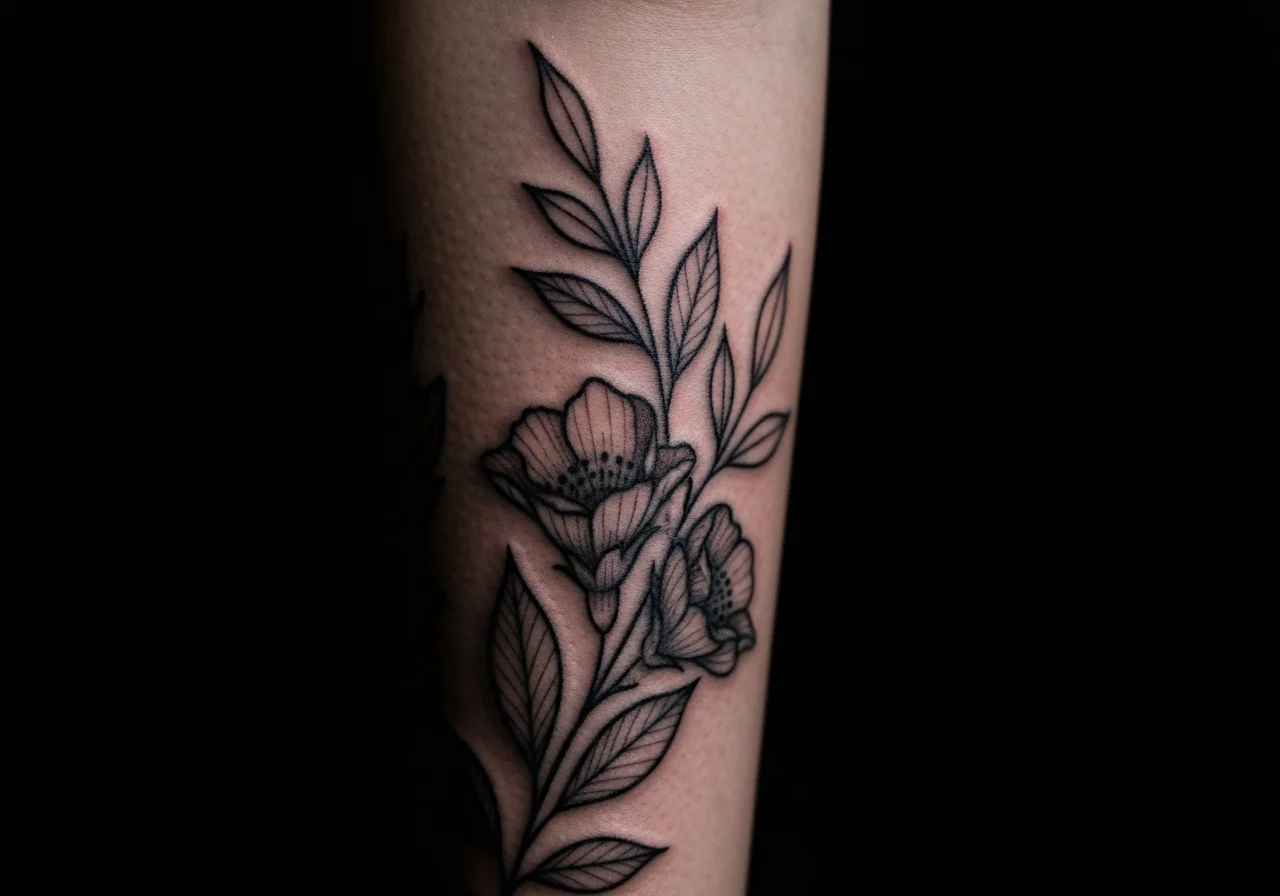
Placement that wasn’t tested. The difference between “I want this on my forearm” and “I want this on my outer forearm, angled like this, at this exact scale” is larger than most people realize before the appointment. 41% of tattoo regret traces to placement dissatisfaction. A design that comes out slightly too large, too small, or off-center in a way that only became visible once the stencil was already on — that particular regret is almost entirely preventable.
If you want the full picture of why tattoo regret happens — including the data on impulse decisions, design patterns, and slow-onset regret — there’s a deeper breakdown worth reading alongside this one.
Testing Placement Before You Commit Changes the Math
Most people have no way to actually test placement before the appointment. They look at reference images on other people’s bodies — different skin tones, proportions, and lighting — and try to translate that into what it would look like on their own wrist, shoulder, or ankle. That mental translation is imprecise, and the gaps between imagination and reality are exactly where placement regret lives.
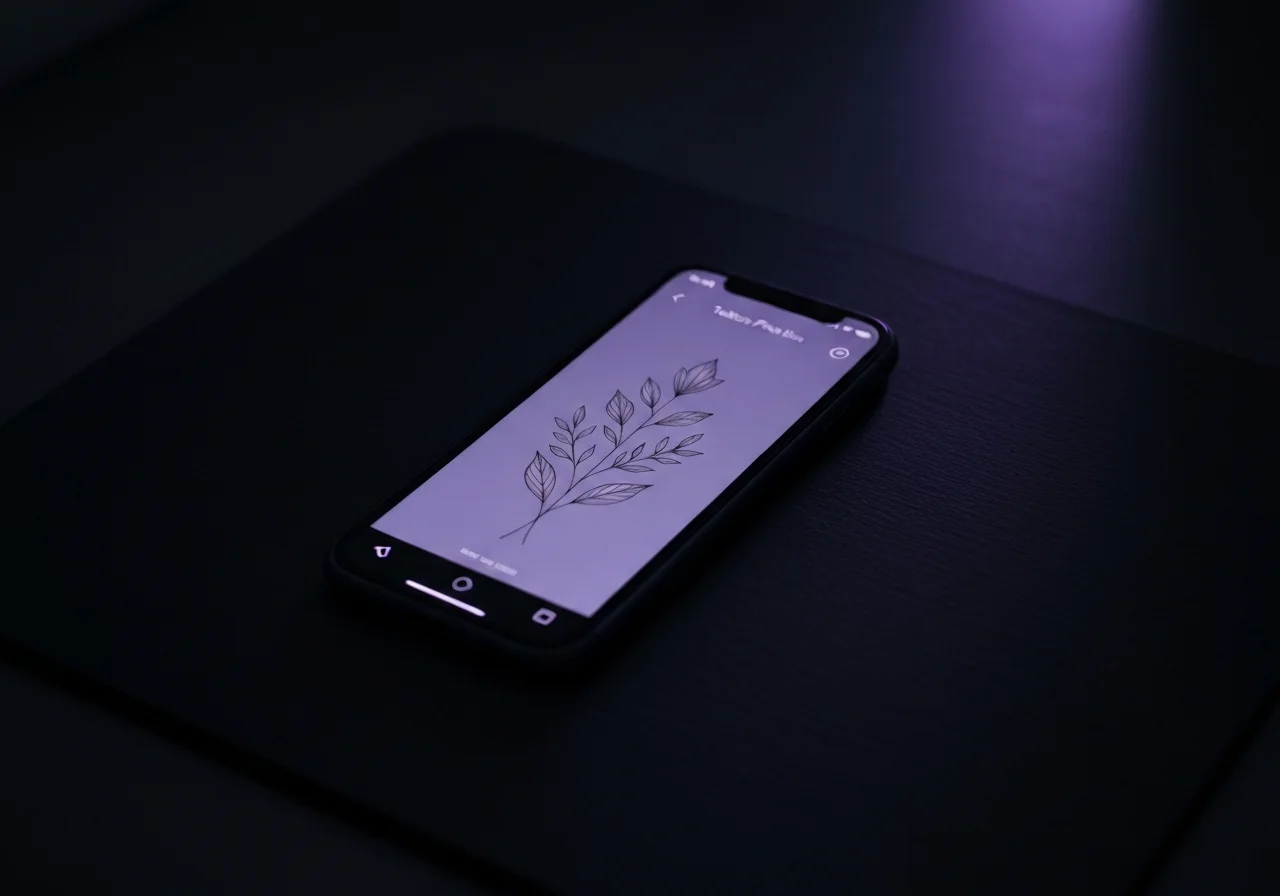
Seeing the tattoo on your actual skin — in your own lighting, at the actual scale you’re considering, in the specific placement you’re imagining — removes most of that uncertainty before it becomes permanent. That’s what TattThat does. Upload a photo of the area you’re considering, choose from a library of designs or convert your own reference image into ink-ready art, position it exactly where you’re thinking, and see a photorealistic preview before you book anything. Move it around. Resize it. Check how it reads from arm’s length versus close up.
It won’t tell you how it’ll feel to wear for two decades. Nothing does. But it eliminates the specific uncertainty of “I can’t quite visualize how this will look on me” — which is one of the most common things people say they wish they’d resolved before the appointment.
A Simple Test for Timeless vs. Dated
If you’re trying to diagnose your own design, three questions cover most of the ground:
Does it mean something to you that would still be true in ten years? Not “will I still like this style” — but is there something underneath the aesthetic that connects to who you actually are, independent of what’s trending?
Would you want it if the style were out of fashion? This is the trend-dependency check. If the honest answer is “probably not as much,” that’s the thing worth sitting with before your appointment, not after.
Have you actually seen it on your body? Not in your imagination. On your actual arm, wrist, or wherever you’re planning — at the actual scale, in the actual position.
Three yeses and your regret risk is low. One uncertain answer is the thing to resolve.
The Good News About Waiting
One thing virtually everyone in the tattoo world agrees on: the desire for a meaningful tattoo doesn’t fade with time. The data confirms it — people who spent years thinking about a design before getting it report the lowest regret rates of any group surveyed. If you still want the same design in the same spot with the same level of certainty after six months — after a changed mood, a new relationship, a different season of life — that’s not second-guessing. That’s confirmation.
The people who regret their tattoos are almost never the ones who thought carefully and waited. They’re the ones who moved fast, chased the trend, put someone else’s name on their skin before they were sure, or never quite figured out where the design was actually supposed to live on their body.
The 11pm ceiling-stare isn’t a warning. It’s the process working correctly. Take it seriously, run through the checklist, see it on your skin before you book — and then trust what you find.
If your anxiety is more specifically about the first-timer experience — the pain, the permanence, the day-of nerves — first tattoo anxiety has its own playbook worth reading before you go in. If you’re still working out whether and when to pull the trigger, how long to actually think about a tattoo and the signs you’re genuinely ready are the two most useful next reads. And if you’re researching removal options after a regretted tattoo, the tattoo removal guide covers what laser treatment actually involves. If pregnancy is a factor in your timing decision, getting a tattoo while pregnant covers the specific risks involved.
See It on Your Skin Before You Commit
Upload a photo, pick a design, and see exactly how it'll look — in seconds. 2 free previews, no card required.
Try TattThat Free →