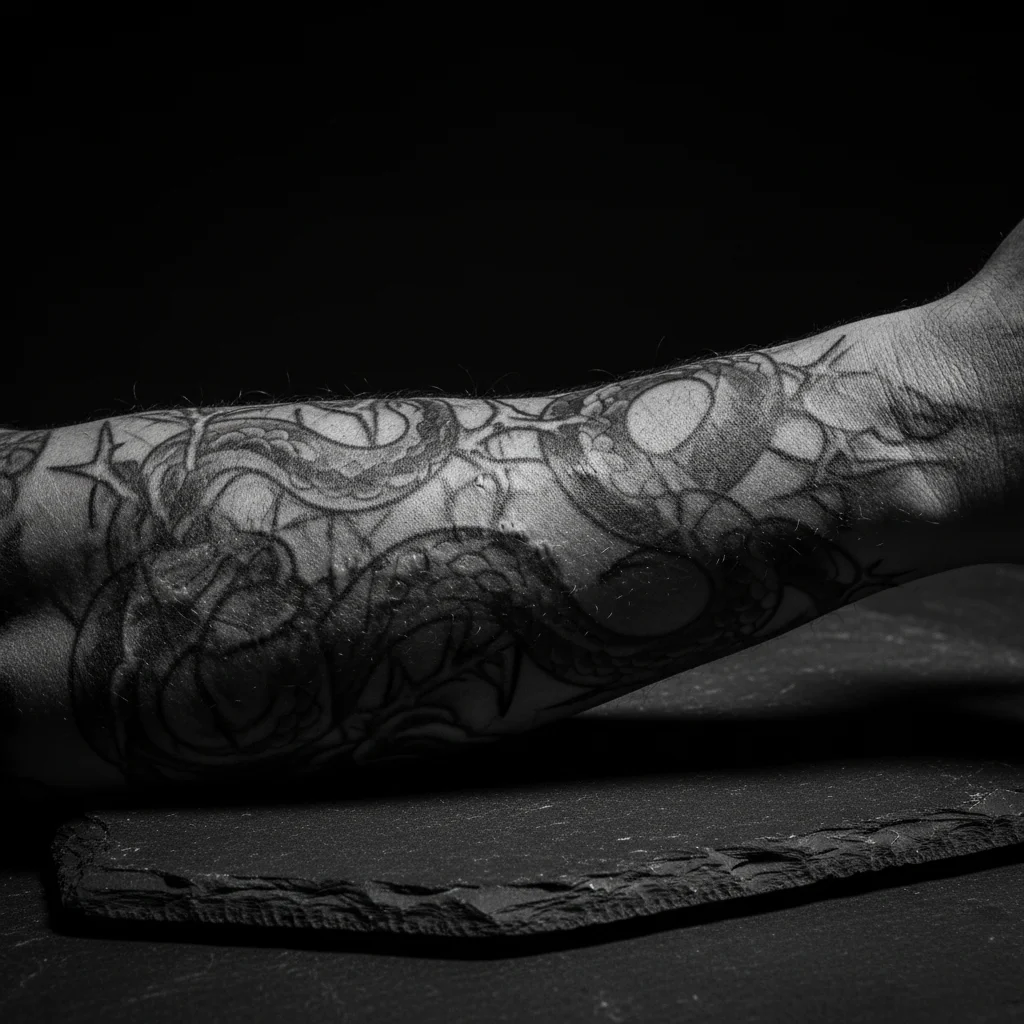
Tattoo regret usually isn’t about bad taste. That’s the assumption most people carry — that the people who end up unhappy just made aesthetically poor choices. Wrong style. Wrong subject. Something obviously misguided from the start.
The data disagrees.
When researchers study why people regret tattoos, the most common answer isn’t “I chose wrong.” It’s “I didn’t think it through.” The design could be technically fine. The artist could be excellent. The regret arrives anyway — because the decision was rushed, made under social pressure, or built on a foundation that didn’t hold. Understanding this distinction changes how you approach getting tattooed, and whether you’ll be among the roughly 24% of tattooed Americans who end up looking back differently or the 76% who don’t.
Impulse Is the Single Strongest Predictor of Regret
Forty-eight percent of regretted tattoos were spontaneous decisions. That one number explains more about tattoo regret than any study on design trends or color theory.
A walk-in on a Friday night. A trip where you wanted something permanent to remember it by. A week when the idea felt exactly right and you moved on it before the feeling could cool. These aren’t bad reasons to get a tattoo — but they’re the conditions under which regret breeds most reliably. Getting tattooed under the influence increases regret odds by 3x. Peer pressure carries nearly identical risk. And the tattoo itself? Often technically fine. The problem was the environment the decision came from.
Compare that to people who spent years sitting with an idea before booking. They report the lowest regret rates of any group — often under 10%. YouGov’s research on tattoo timing puts it starkly: people who got their first tattoo before 21 report a 38% regret rate, versus just 7% for those who waited until after. Same demographic. Five or six years of maturity makes a 5x difference in outcome. Each additional month of deliberation filters out the versions of yourself that would have chosen differently. Not because they overthought it. Because they gave their preferences time to stabilize before making them permanent.
The regret isn’t in the ink. It’s in the gap between what you wanted in that moment and what you’ll want in every other moment after.

The Most-Regretted Tattoos Follow a Recognizable Pattern
It’s not the bold blackwork. It’s not the traditional sleeves. It’s the small, spontaneous ones.
Partner name tattoos are the single most-regretted category — over 30% regret rate, and for obvious reasons. One in ten Americans who got a tattoo for a significant other eventually broke up with them. Flash tattoos from shop walls sit at 37% regret. Small tattoos as a category run between 60–63% in some surveys — not because small is inherently bad, but because small tattoos are almost always what people are pointing at when they say “I just did it without thinking.”
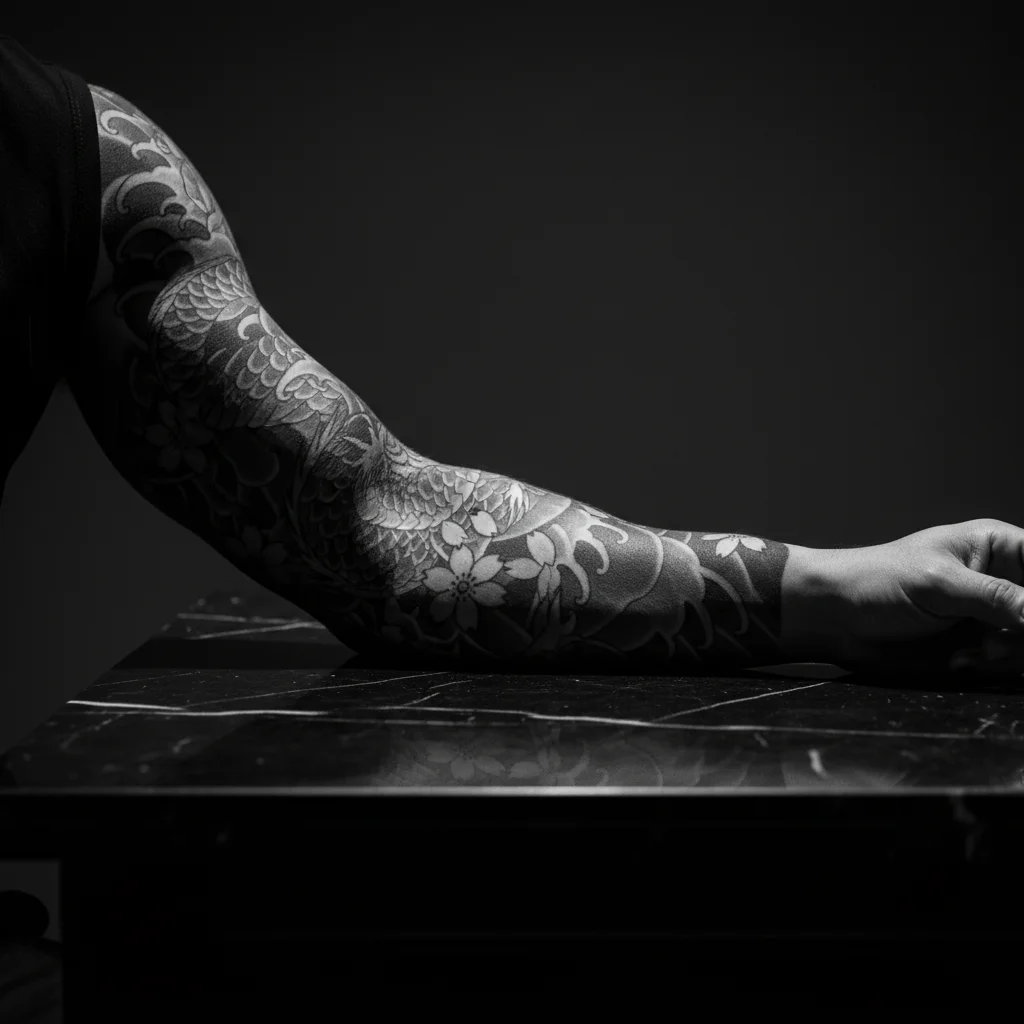
Full sleeves, by contrast, carry roughly a 2% regret rate. The commitment and expense of a sleeve forces deliberation. You can’t accidentally get one. You choose it repeatedly, across multiple sessions and months of your life. The process becomes the protection.
The most regret-resistant tattoos are also the most personal. Custom designs built around something specific to the wearer — a portrait, a reference no one else would recognize, something that couldn’t belong to anyone but you. The less the tattoo could be generic, the less likely the wearer is to feel like they’ve grown out of it.
Text is worth flagging separately: 32% of regretted tattoos contain lettering. Quotes date. Sentiments that felt profound at 22 can read differently at 35. Tattoodo’s guide to common tattoo mistakes puts it plainly — “what you thought was funny 20 years ago probably isn’t the same now.” That’s not a rule against text. It’s a reason to ask whether the words are carrying personal meaning or performing it.
If you’re wrestling with commitment anxiety rather than design uncertainty, the factors that actually predict long-term satisfaction are worth reading before you book.
Most Regret Doesn’t Hit Right Away — It Builds Slowly
Here’s the part that surprises most people: the majority of tattoo regret isn’t immediate.
About 18% of people with regret felt it within days — those are almost always the impulse decisions. But 51% of tattoo regret develops more than two years after getting the tattoo. It accumulates. The tattoo stays the same. You shift.
The top reason people cite for regret — at 47% — is that the design “no longer resonates” or its personal meaning has faded. Second is placement regret (41%). Third is technical quality or poor aging (41%). These aren’t things you can fully predict on the day you’re tattooed. They’re things that surface over time.
Placement is particularly easy to underestimate because you’re focused on everything else — the design, the artist, the cost, the meaning. You’re less focused on exactly how it will sit on your body, how it reads at different angles, how it looks in professional versus casual contexts, whether the size feels right once it’s permanent rather than just sketched on. 41% of all tattoo regret traces back to placement dissatisfaction. That’s almost entirely preventable — and it’s the most overlooked step in the process.
The Process That Actually Prevents Regret
Given the patterns above, the framework is more practical than it might feel.
Give it time. If you had the idea last month, let it sit. A few months of consistent enthusiasm isn’t a guarantee, but it’s a real filter. Impulse decisions regret at 48%; considered decisions regret at a fraction of that. If you’re wondering exactly how long to sit with an idea before it counts as deliberated, there’s a research-backed answer. If you’re still feeling anxious about the commitment even after months of sitting with it, that anxiety itself is worth examining — but restlessness and anxiety are different signals.
Anchor it in durable meaning. Trend-chasing, commemorating relationships, and marking experiences aren’t inherently wrong reasons to get tattooed. But ask whether the meaning is load-bearing enough to carry across fifteen years. The designs that hold up are almost always the ones connected to something unchanging about who the person is — not something tied to a moment, a person, or a phase.
Go professional. Amateur tattoos carry a 43% regret rate. Professional work sits at 19%. That gap isn’t about prestige — it’s about technical execution that determines whether a tattoo ages with you or becomes a cover-up candidate. The cheapest tattoo is rarely the cheapest decision. If you’re already past that point and weighing your options, here’s what to know before your first removal session.
Test placement before you commit. This is the most underused step in the entire process — not because people think it’s unimportant, but because until recently there was no easy way to do it. You couldn’t really know how a forearm piece would sit until you’d lived with it. That’s changed. TattThat lets you place any design onto a photo of your actual body, drag and resize it, and see how it reads in real light before any appointment is made. Placement regret is the second most common form of tattoo regret. It’s also almost entirely a visualization problem — one that’s solvable before you book.
You can’t fully predict how you’ll feel about anything in ten years. The goal isn’t certainty. It’s making the decision from a stable foundation rather than from a temporary state — and removing the variables that are actually controllable before they become permanent.
See It on Your Skin Before You Commit
Upload a photo, pick a design, and see exactly how it'll look — in seconds. 2 free previews, no card required.
Try TattThat Free →