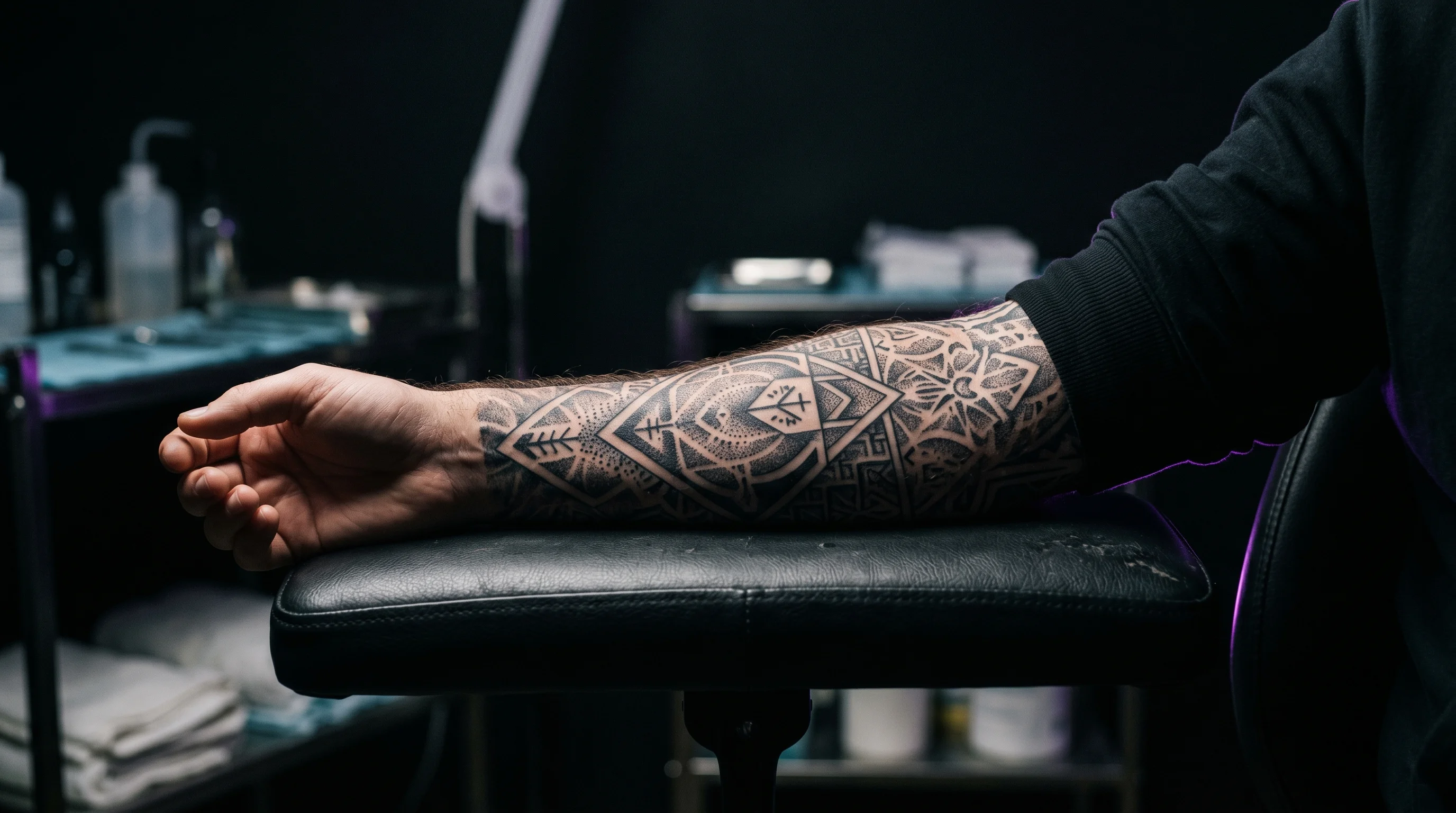
The consultation room smells like antiseptic and good decisions made too late. You’re sitting with your sleeve rolled up, staring at the ink you’ve had long enough to stop seeing — a name, a band logo, something that felt permanent in a different way back then. The technician is explaining the process with calm, practiced detachment. Six to twelve sessions. Come back every six to eight weeks. Keep it covered. SPF 50 between visits. No sun, no sauna, no gym sweat for 48 hours after.
You nod. But you’re doing the math. Twelve sessions at six weeks apart is a year and a half. Minimum.
Tattoo removal works. Modern laser technology has made it more effective than it’s ever been, and most tattoos can be cleared or faded enough for a cover-up. But it’s also slower, more expensive, and more demanding than most people realize going in. Before you book your first session, understanding what the process actually requires — and especially what tattoo removal aftercare looks like between sessions — will save you time, money, and a lot of frustration.
What Laser Removal Actually Does (and Why It Takes So Long)
The laser doesn’t erase the ink. It breaks it into smaller fragments that your immune system carries away. Pulsed laser energy heats and shatters the ink particles sitting inside your dermal layer; your lymphatic system then removes those fragments over the following weeks. That’s the whole mechanism — and it’s why sessions need to be spaced so far apart. Your body needs time to do its part before the next round.
How fast that clearing happens depends on factors mostly outside your control: ink color, how deep it sits, your skin tone, the age of the tattoo, and how densely it was packed in. Black ink absorbs laser energy best. Green, blue, and yellow are the hardest to clear. Amateur tattoos often fade faster than professional ones because the ink sits at inconsistent depths with less saturation. A heavily worked sleeve from a top artist can take 15+ sessions just to reach cover-up readiness.
Newer laser technology has changed what’s possible. Picosecond lasers — which fire in trillionths of a second — create a photoacoustic effect that shatters ink more thoroughly with less heat damage to surrounding tissue than older Q-switched lasers. If you’re evaluating clinics, ask specifically whether they use picosecond technology. More expensive per session, but typically fewer sessions total.
What to Expect in Your First Session — and the Ones After
Your first session is usually shorter than you expect. Most take 5 to 20 minutes depending on the tattoo’s size. The technician cleans the area, sets the laser parameters for your ink and skin tone, and then works across the tattoo in passes. Ask for topical numbing cream if it’s not offered automatically — some clinics include it, some don’t.
The sensation is roughly a rubber band snapped hard against sunburned skin. It hurts. Not unbearably, but enough to need mental preparation. It varies by placement — ribs and wrists are brutal, outer arm is manageable — and it fades quickly once the session ends.
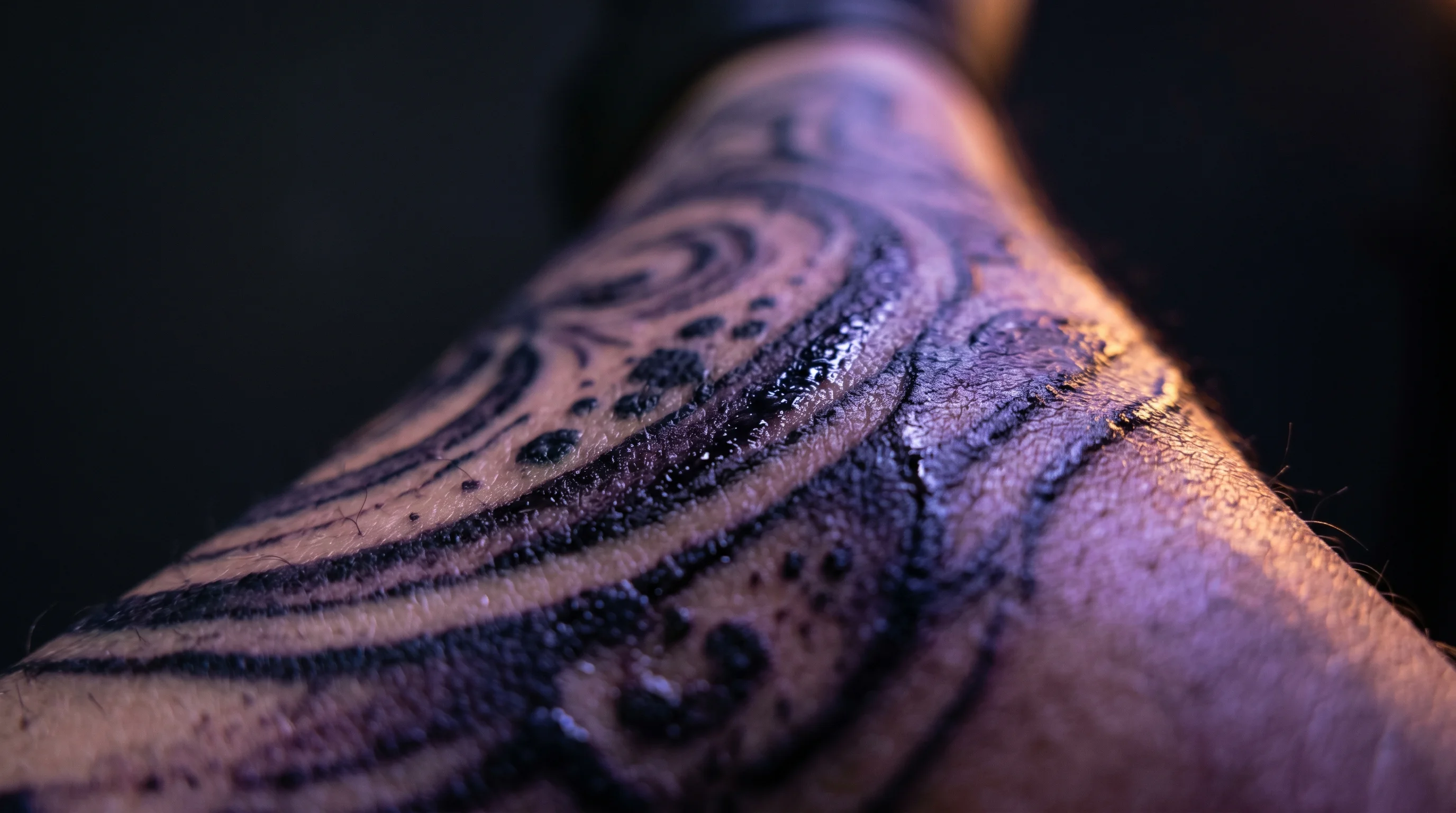
What replaces the pain is redness, swelling, and often blistering within 24 to 48 hours. Blistering is normal. It’s your skin’s inflammatory response to the laser energy. Popping them is one of the worst things you can do. Let them flatten on their own; picking or puncturing increases infection risk and makes scarring significantly more likely.
After the first session the tattoo often looks darker or rises slightly before it starts to fade. That’s the broken ink consolidating before your immune system begins clearing it. Visible fading usually starts around the 4 to 6 week mark. The first few sessions typically show the biggest jumps in progress. Later sessions are cleaning up the remainder — and the last 20% of a tattoo can take as many sessions as the first 80%.
Tattoo Removal Aftercare: What to Do Between Sessions
This is where outcomes are made or broken. Proper aftercare after laser treatment protects the healing skin and gives your immune system the best conditions to clear ink effectively. Most people who heal poorly or scar are under-investing in this part.
The first 24–72 hours: Apply a thin layer of antibacterial ointment — Aquaphor or plain petroleum jelly works well. Cover it with a clean non-stick bandage. Avoid soaking the area: no baths, no swimming, no extended water exposure. Ice wrapped in cloth helps reduce swelling; never apply ice directly to skin.
Days 3 through 14: Keep the area moisturized as it heals and peels. Flaking is normal. Don’t pick at it. Once blisters have resolved, apply unscented moisturizer twice a day. Avoid active skincare ingredients — retinol, AHAs, BHAs — on the treated area until it’s fully healed.
Sun exposure is the biggest variable: Laser-treated skin is extremely sensitive to UV. Sun exposure between sessions can cause post-inflammatory hyperpigmentation — a permanent discoloration of the healing skin. Wear SPF 50+ over the treated area any time you’re outside, even cloudy days, even in winter. If the tattoo is somewhere clothing can cover it, keep it covered.
What to skip between sessions: No tanning (beds or sun). No hot tubs or saunas until fully healed. Avoid heavy sweating for at least 48 hours after treatment. If you notice increasing redness, warmth spreading outward, pus, or fever — those are infection signs. Contact your clinic.
The detail that most people miss: how much the immune system matters. Smoking, poor sleep, and heavy drinking all reduce lymphatic clearance — the exact mechanism that removes broken ink. You can’t fully control fading speed, but you can stop actively working against it.
Removal vs. Cover-Up: When to Reconsider
Full removal isn’t always the right answer. If you’re in the early stages of tattoo regret, a cover-up can produce better results in less time and for less money — depending on the tattoo.
Cover-ups work best when the original tattoo is relatively faded, smaller than the intended cover design, and in a spot where a larger piece still fits. Skilled artists can incorporate or disguise existing ink in ways that end up looking better than bare skin anyway. The tradeoff is you’re committing to a new design — you’re not getting a blank canvas back.
A hybrid approach has become common: two to four laser sessions before a cover-up appointment. That won’t remove the tattoo, but it fades it enough to dramatically expand your design options and give the artist more flexibility. Tattoodo’s cover-up guide describes it well — lightening the original ink widens the color palette available for the cover and gives the artist more room to work. It costs less and takes less time than going to full removal, and the end result is new ink you actually want.
The clearest cases for full removal: tattoos in high-visibility professional placements like neck, hands, or face; tattoos carrying relationship or emotional weight where covering up feels inadequate; or tattoos that have aged poorly in ways a cover-up can’t fix. In those situations, the longer timeline is worth it.
One data point worth sitting with: research on tattoo regret consistently finds that changed personal identity — not design quality or technical failure — is the primary reason people want tattoos removed. The tattoo itself was fine. Who they are when they look at it isn’t the same person. The most commonly regretted tattoos are partner names, walk-in flash choices, and anything gotten before age 21. Slower decisions made with more certainty almost never end up on a laser table.
If you’re still at the decision stage — choosing a design, deciding on placement, wondering what something will actually look like on your specific body — that’s exactly where TattThat helps. See it on your skin before you commit. The removal consultation is significantly more expensive than two free previews.
See It on Your Skin Before You Commit
Upload a photo, pick a design, and see exactly how it'll look — in seconds. 2 free previews, no card required.
Try TattThat Free →