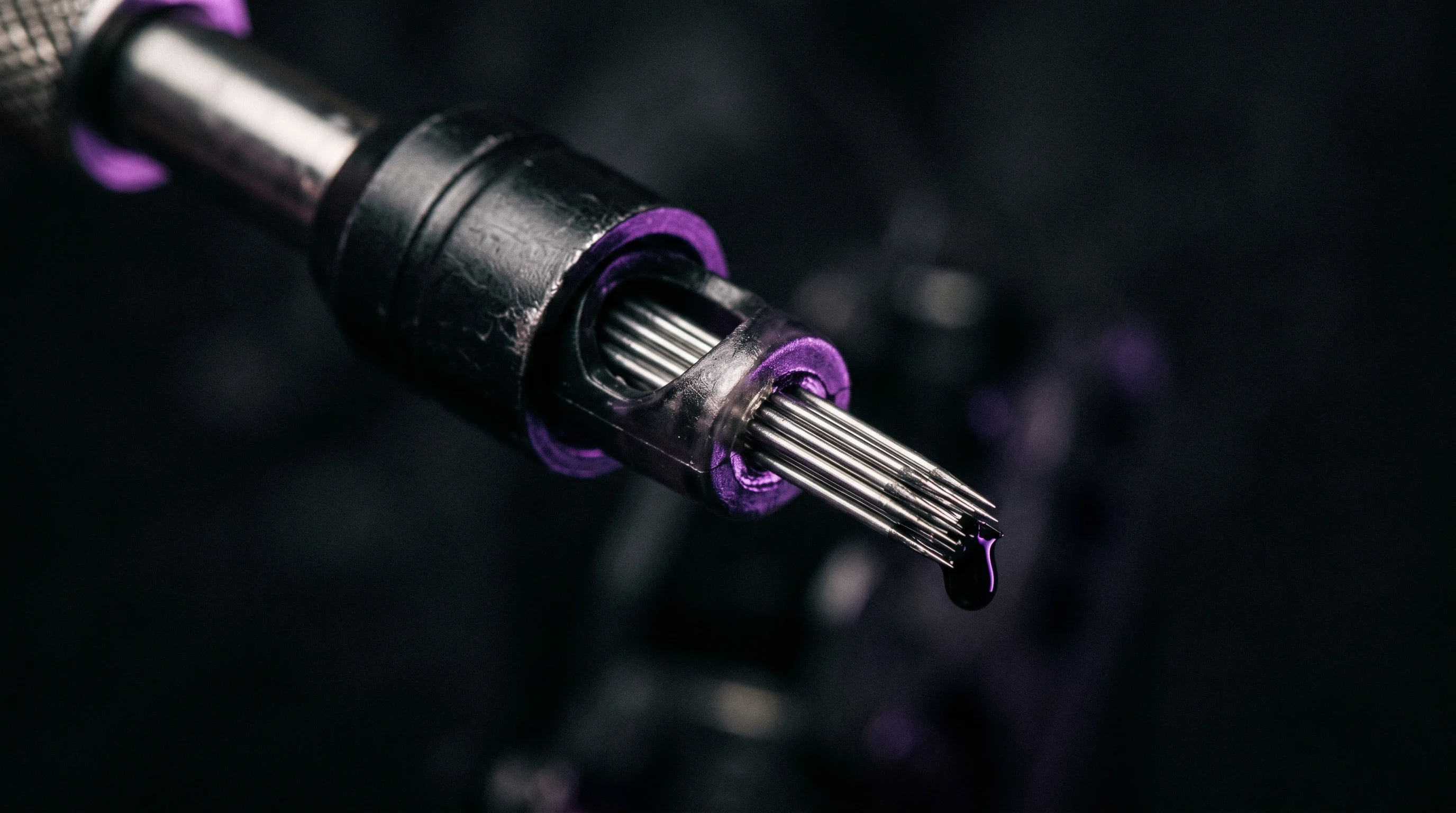
The machine starts. Your artist settles in and makes the first pass. And in those first seconds, you find out whether you did your research or you didn’t.
Pain is the part of the tattoo decision that never gets talked about honestly. Some people catastrophize it into a near-blackout experience; others dismiss it as “just a scratch.” The reality is more useful than either: pain is predictable, it follows anatomy, and knowing where the hard spots are in advance changes nothing about the session but changes everything about how mentally prepared you are for it.
The direct answer: Pain tracks the distance between needle and bone, plus nerve density. Spots where skin sits directly over bone with minimal tissue buffering are the hardest. Nerve-dense zones like hands and armpits rank high for a different reason. Fleshy, muscle-padded areas are the easiest. The ranking below is honest in both directions — no exaggeration, no dismissal.
Tier 1: Bone Close to the Surface — the Genuinely Hard Spots
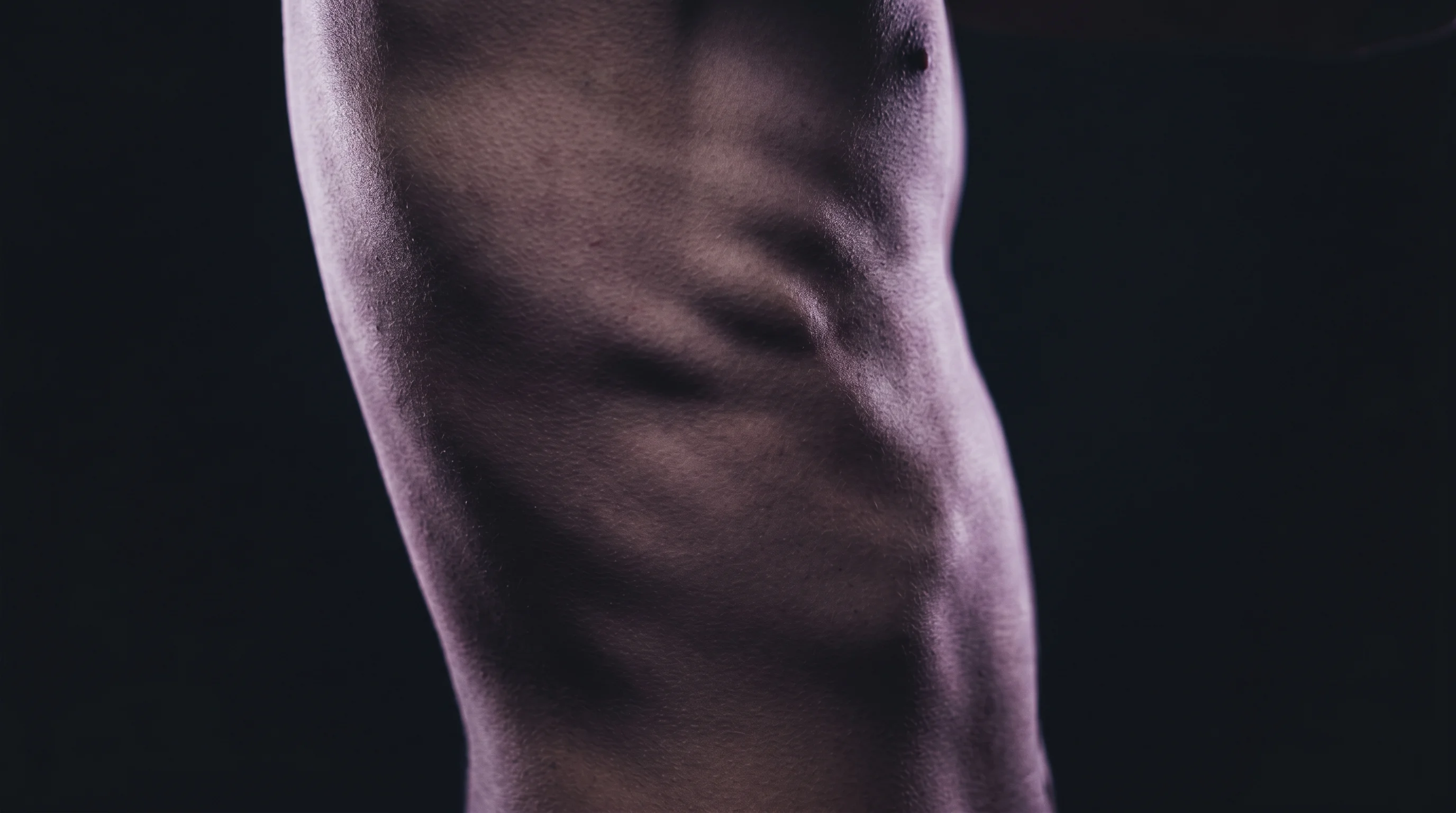
These placements hurt because the anatomy leaves no room for the pain to go anywhere except through you.
Ribs. The skin sits over the ribcage with almost no fat or muscle between. Every pass of the needle sends vibration directly into bone — and you feel it. Research on tattoo pain by body location confirms that bony prominences consistently produce the highest pain intensity scores, and the ribs sit at the top of that list. The sensation is sharp and radiating rather than the dull pressure you feel on an arm. Breathing during the session means the skin moves constantly, which means the artist is working on a surface that never fully stills. It’s a hard placement. Most people sit through it.
Inner elbow (the ditch). The crease at the inside of the elbow is thin-skinned, nerve-dense, and sits over a prominent bony structure. People who’ve had relatively comfortable arm work are routinely surprised by how different the ditch feels — same limb, completely different experience. Expect sharp, twitchy sensation that fights your instinct to flinch.
Shin. The front of the lower leg is essentially skin over bone. There’s very little between the surface and the tibia. Sessions here feel more like grinding than pressure, and the flat, hard surface means there’s nowhere for the sensation to diffuse.
Spine. Working along the spine means needlework over or immediately adjacent to bone for the full length of the piece. Vibration conducts through the vertebrae. The sensation is different from the ribs — more of a deep buzzing — but the intensity stays consistently high.
Back of the knee. The skin here is thin and the area is dense with nerve endings. It’s rarely chosen as a primary placement, but those who have it done describe a sharp, reactive pain that’s hard to stay still through.
Skull and head. Scalp tattooing sends machine vibration directly through the skull. Many people describe feeling it in their teeth. Brow and temple work adds eye proximity, which creates an involuntary anxiety response on top of the physical sensation.
Tier 2: High Nerve Density — the Spots That Surprise People
These don’t always have bone close to the surface. They hurt because the concentration of nerve endings amplifies everything.
Hands and fingers. Your hands have one of the highest nerve densities in the body — that’s why your sense of touch is most precise there. A tattoo needle engages every one of those nerve endings. Add almost no cushion (skin over tendon and bone) and you have one of the most intense placements on the body. Finger tattoos also fade faster than almost anything else because of constant hand use, which compounds the decision.
Feet and toes. Same anatomy as hands: high nerve density, thin skin, bone immediately beneath. The top of the foot is more manageable than the toes, but both rank firmly in the harder tier. Foot tattoos also heal more slowly because of elevation and shoe friction — a practical complication on top of the session pain.
Ankles and ankle bone. The outer ankle sits directly over bone. The inner ankle adds nerve concentration to that equation. Either way, it’s a harder session than most people expect going in, especially relative to the relatively calm outer calf nearby.
Armpits. Not a common placement, but those who have it done rank it as one of the most intense on the body. Thin skin, extreme nerve sensitivity, and an involuntary muscle-closing response that fights the artist throughout the session.
Tier 3: Moderate — Uncomfortable but Workable
Collarbone. Bone is present but there’s more soft tissue surrounding it than the ribs or shin. Most people find the sensation intense without being overwhelming, especially for shorter sessions.
Hip crest. The iliac crest is bony territory — the hip placement guide covers this in depth — but sessions there tend to run shorter, and the surrounding soft tissue moderates the intensity relative to the ribs.
Inner wrist. The wrist has visible veins and nerve pathways running through it with thin skin above. Sessions there are more intense than the outer wrist, but the smaller canvas keeps sessions shorter. Most people manage it.
Neck. The outer neck has soft tissue around it that buffers some of the sensation. The front and inner neck rank higher because of proximity to major nerves and blood vessels, but standard neck placement on the side or back of the neck is moderate for most people.
Sternum. As covered in the sternum placement guide, the sternum session is genuinely harder than the initial estimates most people make — but the healing is what makes the sternum demanding more than the session intensity alone.
Tier 4: Lower Pain — Where Most People Start
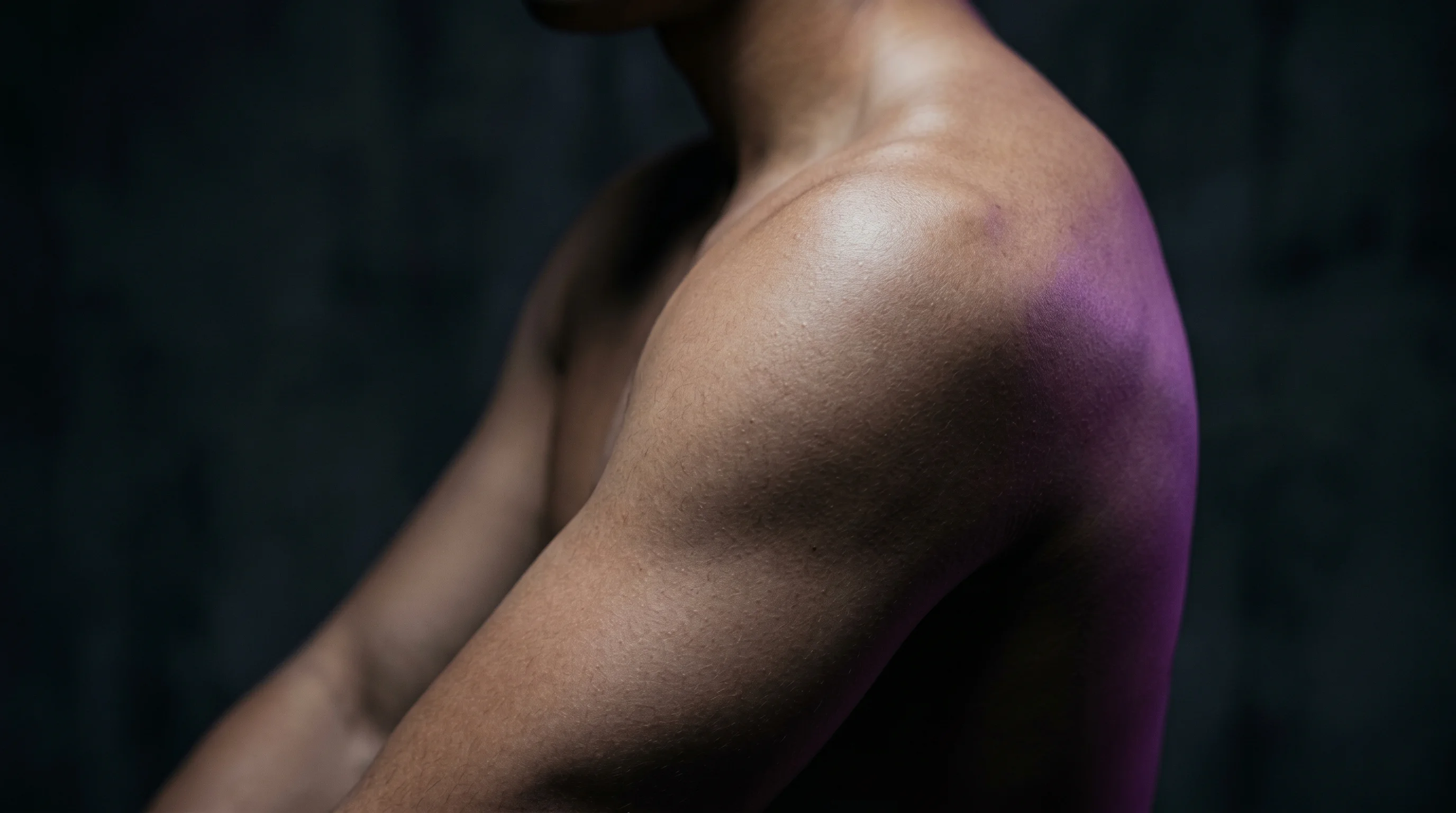
Outer arm and shoulder. The fleshy outer bicep is the default first-tattoo recommendation for a reason. Significant muscle and fat cushioning, no bony prominence directly underneath, skin that responds well to the process. The sensation is dull pressure rather than sharp pain. It’s the gentlest introduction to what tattooing feels like, and the canvas is large enough for a wide range of designs.
Outer thigh. One of the largest, cushioned canvases on the body. Significant muscle mass, thick skin, no bony prominence to transmit vibration. Sessions here are often comfortable enough that people describe being surprised. Long sessions are achievable because the baseline discomfort stays low throughout.
Calf. The back of the lower leg, not the shin. Significant muscle tissue, moderate skin thickness, no bone close to the surface. A comfortable session on a good canvas. The shin (front) is a different experience — the calf and shin are adjacent but practically different in how much they hurt.
Upper and outer back. Large muscle mass, smooth skin, no nerve clusters on the surface. This is one of the most achievable placements for extended sessions.
Outer hip. Distinct from the bony hip crest, the fleshy outer hip has enough soft tissue that sessions feel moderate to low — a comfortable placement on a canvas that ages well because of low sun exposure.
Pain Stops When the Session Ends. The Placement Stays
Knowing the tiers is useful. But optimizing your entire placement decision around avoiding a harder session often trades a two-hour experience for a decades-long one.
A rib tattoo hurts during the session. It stops hurting the day it’s done. A forearm tattoo that fades significantly over three years because of constant sun exposure is still there at year seven — just washed out. Tattoo aftercare and long-term skin considerations — sun protection, friction, healing management — matter more to what you live with than how the session felt.
Dermatologists note that thinner skin, whether naturally thinner in certain placements or in aging skin, tends to hurt more during tattooing — and recommends choosing placements on the shoulder, back, or abdomen for their combination of cushion and healing properties. That guidance applies beyond age: fleshy placements over muscle are more comfortable sessions and often more forgiving healing.
The most productive question isn’t “how much will it hurt?” It’s: “Is this the right placement for my design, and can I sit for the session?” For every hard placement on this list, the answer to that second question is yes for most people — with preparation and the right mindset.
What’s also within your control: knowing before you book that your placement actually looks right on your body. Pain is temporary. A design that’s placed wrong or sized incorrectly is permanent. Before your appointment, use TattThat to upload a photo of your chosen spot, position your design at actual scale, and see exactly how it reads on your real body. If you love it there, the session is worth it. If the design looks better two inches to the left or scaled up slightly — that’s better to find out now.
See It on Your Skin Before You Commit
Upload a photo, pick a design, and see exactly how it'll look — in seconds. 2 free previews, no card required.
Try TattThat Free →